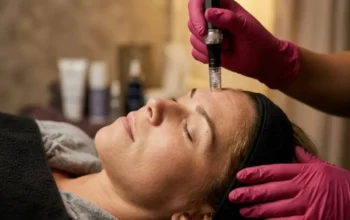
You don’t need hours in a clinic or a week of hiding at home to see real results. This guide compares the most time-efficient facial treatments for aging skin, sorted by appointment length, downtime, and what they actually fix, so you can build a plan that fits between school runs and everything else.
TL;DR
- Best zero-downtime option: Hydrafacial (30–45 min): immediate glow, pore cleansing, surface hydration; maintenance only, not collagen remodeling
- Best for pigment and redness: IPL photofacial (20–30 min): targeted brown spots and vascular redness; plan quarterly
- Best for wrinkle relaxation: Botox/neuromodulators (10–15 min, zero downtime): visible in ~1 week, lasts 3–4 months
- Best for collagen remodeling: Microneedling or RF microneedling: real structural change with 2–5 days downtime; plan as a series
- Smartest annual plan: Monthly Hydrafacial for maintenance + quarterly IPL or peel for pigment + Botox every 3–4 months
- Sequencing rule: Peels before injections = wait 1–2 weeks; neuromodulators before resurfacing if wrinkle goal; energy work first if tightening is priority
- Pregnant or breastfeeding? Always disclose before booking; injectables and some energy-based protocols are typically deferred
Table of Contents
How to Choose a Facial Treatments For Aging Skin When Time Is the Constraint
The right facial treatment for a busy mom comes down to two questions: how much time can you give the appointment, and how much recovery can you absorb? Zero-downtime options like Hydrafacial deliver immediate surface improvement; collagen-stimulating treatments like microneedling or chemical peels require more planning but produce lasting structural change.
Matching your treatment tier to your actual schedule, not your aspirational one, is what makes a plan work long-term. A mom who books an aggressive peel the week before a school event will either skip recovery steps or skip the event. Neither outcome serves the goal.
Think in three tiers: surface maintenance (Hydrafacial, dermaplaning: zero downtime, monthly), targeted correction (IPL, light peels, Botox: minimal downtime, quarterly), and structural remodeling (microneedling, RF microneedling, medium peels: planned downtime, one to two times per year). Build your plan from the first tier up.
Hydrafacial — The Best Quick-Win Facial for Busy Moms
Hydrafacial is the most consistently reliable zero-downtime facial treatment available for busy moms. In 30–45 minutes the device exfoliates, extracts debris with vortex suction, and infuses targeted serums, producing immediate surface hydration, visibly cleaner pores, and a brighter complexion with essentially no recovery time.
What Hydrafacial Does (and Doesn’t Do)
Hydrafacial is excellent at what it is: a surface-level maintenance treatment that delivers a predictable, same-day glow. It softens the look of fine lines temporarily through hydration, clears congestion, and makes skin look and feel healthier within hours. What it does not do is rebuild collagen, tighten lax skin, or produce the lasting textural improvement of microneedling or a chemical peel.
The most common mistake is expecting Hydrafacial to replace deeper treatments. Use it as your consistent maintenance layer: the treatment that keeps skin in its best baseline condition between more targeted procedures. It shines brightest when paired with quarterly IPL for pigment control or a periodic resurfacing session for collagen work.
Real-world example: One mom schedules a 35-minute Hydrafacial the Friday morning before a family photo weekend. Smoother skin, fewer visible pores, better makeup application: no missed activities, no recovery window needed. Another mom pairs monthly Hydrafacials with one quarterly IPL session, using the Hydrafacial to calm and hydrate skin between light resurfacing sessions.
How to Choose the Right Hydrafacial Booster
Boosters are add-on serums infused during the treatment: antioxidant, brightening, growth factor, peptide, or clarifying options. Pick the booster that matches your actual skin goal, not the most expensive one on the menu.
- Antioxidant or brightening booster: Best for dull skin and mild hyperpigmentation
- Growth factor or peptide booster: Best for post-procedure recovery support or mature skin
- Clarifying booster: Best for congested, acne-prone skin
- Avoid: Retinol-containing boosters if pregnant or breastfeeding; high-percentage acid boosters immediately post-treatment on sensitive skin
How to Fit Hydrafacial Into a Busy Schedule
Hydrafacial fits into a 45-minute school drop-off window, a lunch break, or a Friday morning before a weekend event. No pre-treatment prep is required beyond arriving with clean skin. Most moms schedule monthly sessions and treat it as their skincare maintenance anchor.
Hydrafacial at a Glance
| Detail | Information |
|---|---|
| Session time | 30–45 minutes |
| Downtime | None to minimal (brief redness possible) |
| Cost per session | $150–$300; boosters add $25–$75+ |
| Best for | Hydration, glow, pore cleansing, maintenance |
| Cadence | Monthly |
| Contraindications | Active open wounds, uncontrolled rosacea, isotretinoin within 6 months |
| Pregnancy/breastfeeding | Check booster ingredients; confirm with provider |
For more on how Hydrafacial compares to other express treatment options, see our full med spa facial treatments guide.
Chemical Peels – When You Want More Than a Surface Glow
Chemical peels use acids to remove damaged surface skin and stimulate fresh cell turnover. They sit above Hydrafacial in the intervention ladder, offering more downtime, more visible results, and more lasting improvement in pigmentation, fine lines, and skin texture. For busy moms, superficial peels are the accessible entry point; medium-depth peels are a “plan your calendar” procedure.
Superficial vs. Medium-Depth Peels: Which Is Right for You?
Superficial peels (glycolic, lactic, mandelic, low-percentage salicylic) work on the outermost skin layer. Expect mild flaking for 2–4 days and visible improvement in tone and texture within a week. They fit into a short weekend recovery and are safe to repeat every 4–6 weeks.
Medium-depth peels (TCA 20–35%, Jessner’s) penetrate deeper for more significant pigmentation correction and wrinkle improvement. Expect 5–10 days of visible peeling and social avoidance. These are best planned around school breaks, long weekends, or a stretch of remote work. One well-timed medium peel can deliver results that require months of superficial peel sessions to approach.
How to Time a Peel Around Injections and Life Events
The injection timing rule: Wait approximately one week after a superficial peel before getting Botox or fillers. Wait one to two weeks after a medium-depth peel. Injecting into recently peeled skin increases infection risk and can compromise results on both sides.
The event timing rule: Book a superficial peel at least 10–14 days before any important event to allow the brief flaking phase to complete and the glow to fully emerge. For medium peels, plan four weeks minimum before an event.
Chemical Peel Comparison
| Peel Type | Depth | Downtime | Best For | Cost Per Session |
|---|---|---|---|---|
| Superficial (glycolic, lactic) | Epidermal | 2–4 days mild flaking | Tone, dullness, mild pigment | $100–$300 |
| Medium (TCA, Jessner’s) | Upper dermis | 5–10 days peeling | Pigmentation, fine lines, texture | $300–$800 |
| Deep (phenol) | Mid-dermis | 10–14+ days | Significant resurfacing | $1,000–$3,000+ |
The American Academy of Dermatology offers a straightforward overview of what to expect from chemical peels, including depth, recovery, and what questions to ask your provider before booking.
IPL Photofacial — The Best Option for Pigment and Redness
IPL (Intense Pulsed Light) is the most efficient targeted treatment for brown spots, sun damage, and vascular redness on lighter skin tones. Sessions run 20–30 minutes with 2–5 days of mild darkening before spots flake away — a predictable recovery window most moms can plan around a weekend. It pairs naturally with Hydrafacial as a quarterly pigment-control layer within a monthly maintenance plan.
IPL is a strong fit for moms whose primary complaint is uneven tone or sun spots rather than texture or laxity. It’s not suited for darker skin tones (Fitzpatrick IV–VI) without specialist assessment — the risk of post-inflammatory hyperpigmentation increases significantly. Always confirm your Fitzpatrick type with the provider before booking.
Best for: Brown spots, sun damage, rosacea redness, broken capillaries on Fitzpatrick I–III Downtime: 2–5 days (spots darken, then flake off — plan accordingly) Cost: $300–$600 per session; most clients need 2–4 sessions for full correction Cadence: Quarterly maintenance after initial series
Neuromodulators (Botox) — The Fastest Anti-Aging Facial Result
Botox and other neuromodulators (Dysport, Xeomin, Daxxify) produce visible wrinkle smoothing in about one week, with appointments running 10–15 minutes and zero downtime. They are the highest-convenience anti-aging option available and fit naturally into a quarterly treatment cadence alongside your facial maintenance plan.
Neuromodulators address dynamic wrinkles — the lines caused by repeated facial muscle movement: forehead lines, crow’s feet, frown lines between the brows. They do not treat skin texture, pigmentation, or laxity. For those concerns, your maintenance facials and periodic resurfacing sessions do the work.
Best for: Forehead lines, crow’s feet, glabellar frown lines Appointment time: 10–15 minutes Downtime: None (avoid lying flat or intense exercise for 4 hours post-injection) Cost: $10–$15 per unit; $200–$600 per typical treatment area Cadence: Every 3–4 months
How to Combine Facial Treatments For Aging Skin Without Conflicts
Treatment sequencing is the skill most moms don’t realize matters until they’ve made a scheduling mistake. The good news: the rules are simple once you know them.
Peels + Injections: The Timing Rule
Always complete your peel first, then wait before injecting. The skin barrier is compromised post-peel; injections into compromised skin increase infection risk and reduce predictability of both the peel result and the filler placement.
- Superficial peel → wait ~1 week → Botox or filler safe
- Medium-depth peel → wait 1–2 weeks → Botox or filler safe
- Never inject immediately before or after a peel in the same session
Microneedling or Lasers + Neuromodulators: How to Sequence
The sequencing here depends on your primary goal:
- Wrinkle smoothing is the priority: Dose neuromodulators first. Once muscles are relaxed (3–7 days), schedule your microneedling or laser session. The reduced muscle movement during healing can support better collagen remodeling outcomes.
- Skin tightening is the priority: Complete your energy-based treatment (microneedling, RF, laser) first. Allow inflammation to fully settle, then add neuromodulators as a finishing layer.
Treatment Combination Guide
| Combination | Timing | Notes |
|---|---|---|
| Hydrafacial + Botox | Same week is fine | Hydrafacial first; injections after |
| Superficial peel + Botox | 1-week gap | Peel first, then injections |
| Medium peel + Botox | 1–2 week gap | Peel first, then injections |
| Microneedling + Botox (wrinkle goal) | Botox first, microneedling 3–7 days later | Allows muscle relaxation before healing |
| Microneedling + Botox (tightening goal) | Microneedling first, Botox after inflammation clears | Typically 1–2 weeks gap |
| IPL + Hydrafacial | Hydrafacial after IPL to calm skin | Good post-IPL recovery pairing |
Are These Facial Treatments For Aging Skin Safe During Pregnancy or Breastfeeding?
Always disclose pregnancy or breastfeeding status before booking any med spa treatment. Recommendations vary by procedure and provider — what follows is general guidance, not a substitute for a conversation with your OB and treating clinician.
| Treatment | Pregnancy | Breastfeeding | Notes |
|---|---|---|---|
| Hydrafacial (base) | ⚠️ Discuss with provider | ⚠️ Check booster ingredients | Avoid retinol boosters; confirm actives |
| Dermaplaning | ✅ Generally low-risk | ✅ Generally low-risk | Mechanical only; no active ingredients |
| Superficial chemical peel | ⚠️ Generally deferred | ⚠️ Discuss with provider | Some providers offer light lactic; confirm |
| IPL | ❌ Defer | ❌ Defer | Heat and hormonal pigment changes are a risk |
| Botox / neuromodulators | ❌ Defer | ❌ Defer | Standard guidance: avoid injectables |
| Microneedling / RF | ❌ Defer | ⚠️ Discuss with provider | RF energy; most defer until postpartum |
| LED therapy | ✅ Generally low-risk | ✅ Generally low-risk | Visible light only; widely considered safe |
Practical guidance for postpartum moms: Start with dermaplaning and LED therapy, then layer in Hydrafacial once cleared by your provider. Defer injectables and energy-based procedures until breastfeeding is complete or after a full risk discussion with a board-certified clinician.
What a Realistic Annual Facial Treatment Plan Looks Like
The best long-term value comes from a mixed plan: efficient monthly maintenance plus targeted quarterly or semiannual resurfacing and tightening. Here’s what that looks like in practice:
| Cadence | Treatment | Time Per Visit | Annual Sessions |
|---|---|---|---|
| Monthly | Hydrafacial (maintenance + glow) | 30–45 min | 12 |
| Quarterly | IPL or superficial chemical peel | 20–45 min | 4 |
| Every 3–4 months | Botox/neuromodulators | 10–15 min | 3–4 |
| 1–2x per year | Microneedling or RF microneedling | 45–90 min | 1–2 |
Estimated Annual Budget
| Tier | Treatment | Annual Cost Estimate |
|---|---|---|
| Monthly maintenance | Hydrafacial x12 | $1,800–$3,600 |
| Quarterly targeted | IPL x4 or superficial peels x4 | $1,200–$2,400 |
| Neuromodulators | Botox x3–4 | $600–$2,400 |
| Annual resurfacing | Microneedling series or 1 medium peel | $600–$3,000 |
| Total annual range | $4,200–$11,400 |
Practical tip: Most moms prioritize two or three tiers rather than all four. Start with Hydrafacial + Botox as the foundation, add IPL or a peel when the budget and schedule allow. Microneedling series are a once-or-twice-a-year investment, not a monthly commitment.
How to Choose a Qualified Provider
Credentials and complication protocols matter more than glossy before-and-after photos. A great provider is transparent about their training, their device details, and exactly what they will do if something goes wrong.
Provider selection checklist:
- Board-certified dermatologist, plastic surgeon, or licensed medical aesthetician working under medical supervision
- Can name the specific device, peel formula, or injectable product being used
- Has before-and-after photos of patients with your skin tone and concern
- Explains their adverse event protocol clearly — what happens if you have a reaction?
- Provides a written recovery and aftercare plan
- Does not pressure you to book same-day or use “today only” pricing
- Performs a clinical assessment before recommending any specific treatment
Red flags:
- Vague answers about device models or product brands
- No photos for your skin tone or concern
- Dismissive response when asked about complications
- Upselling multiple treatments in the same session before assessing your skin
What to Bring to Your Med Spa Consultation
A prepared consult is a decisive consult. Bring these four things and you will leave with a clear treatment plan rather than a vague recommendation list:
- Current medication list — including topical prescriptions (retinoids, hydroquinone) and any oral medications that affect photosensitivity or wound healing
- Recent procedure dates — last peel, last injection, any laser treatments in the past 12 months
- Daylight photos of your skin — taken in natural light without filters, showing current tone, texture, and any specific concerns
- Your actual skincare products — not the aspirational lineup, the ones you use daily — so the provider can assess active ingredient interactions before booking

Key Takeaways
- The best facial treatments for aging skin match the appointment and recovery time you can realistically absorb — not the most dramatic result possible
- Hydrafacial is the best zero-downtime maintenance facial — use it monthly to keep skin in its best baseline condition
- IPL is the most efficient treatment for pigment and redness on lighter skin tones; plan quarterly
- Botox delivers the fastest anti-aging result — 10–15 minutes, zero downtime, visible in one week
- Peels and microneedling produce lasting collagen-level change but require a planned recovery window
- Sequencing matters: peels before injections (1–2 week gap); neuromodulators or energy work first depending on your primary goal
- Always disclose pregnancy or breastfeeding status — injectables and most energy-based procedures are deferred
- Provider credentials and complication protocols are more important than price or before-and-after aesthetics
Frequently Asked Questions
What is the best facial treatment for aging skin?
The best facial treatment for aging skin depends on your primary concern and schedule. For immediate glow with zero downtime, Hydrafacial is the most reliable option. For wrinkle relaxation, Botox produces visible results in about one week. For lasting collagen remodeling and texture improvement, microneedling or RF microneedling delivers the most significant structural change. Most moms get the best results from a layered plan that combines all three tiers.
Which facial treatment has no downtime?
Hydrafacial, dermaplaning, LED therapy, and Botox injections all have essentially zero downtime. Superficial chemical peels require 2–4 days of mild flaking. Microneedling requires 24–72 hours of redness. For true zero-downtime facial treatments that fit a school-week schedule, Hydrafacial and Botox are the most reliable options.
How often should I get a facial treatment for anti-aging?
A practical maintenance cadence for most moms is: Hydrafacial monthly, IPL or a superficial peel quarterly, Botox every 3–4 months, and a microneedling series once or twice per year. This tiered approach keeps skin in consistent good condition while delivering periodic deeper improvements.
Can I get facial treatments while breastfeeding?
Some facial treatments are generally considered low-risk while breastfeeding — dermaplaning and LED therapy are common examples. Injectables like Botox and most energy-based procedures including IPL and RF microneedling are typically deferred. Always disclose breastfeeding status before booking and confirm with your OB and treating clinician before proceeding with any active treatment.
How do I combine Botox with facial treatments?
Botox pairs well with most facial treatments — the sequencing rules are straightforward. If a chemical peel is also planned, complete the peel first and wait one to two weeks before injecting. If microneedling is the goal and wrinkle smoothing is the priority, dose Botox first and schedule microneedling three to seven days later once muscles begin to relax.
How much does a year of facial treatments cost?
A realistic annual maintenance plan — monthly Hydrafacials, quarterly IPL or peels, and Botox three to four times per year — typically runs $4,000–$8,000 depending on your market and the specific treatments chosen. Adding a microneedling series increases the total. Most moms start with two tiers (Hydrafacial + Botox) and expand as budget allows.
What should I ask at a med spa consultation?
Ask the provider to name the specific device or product being used, show before-and-after photos of patients with your skin tone, explain the exact downtime in days, describe their adverse event protocol, and confirm who performs the treatment. Bring your medication list, recent procedure history, and current skincare products.
How do I choose a qualified provider for facial treatments?
Prioritize board-certified dermatologists, plastic surgeons, or licensed medical aestheticians working under medical supervision. Ask specifically about how they handle adverse events. Request before-and-after photos for patients with similar skin tones and concerns. A provider who cannot clearly explain their complication protocol or name the specific device they use is a red flag.
This post is for informational purposes only and is not a substitute for professional medical or dermatological advice. Always consult a board-certified clinician before beginning any in-office treatment, especially if you are pregnant, breastfeeding, or taking prescription medications.